
At Kingsley Prep, we believe risk is an essential part of growth and development. In a world where safety concerns often lead to excessive restrictions on children’s play, we champion an approach that embraces risk as an important part of learning. Risky play – activities that involve an element of challenge, uncertainty or potential danger – allows children to test their limits, develop confidence and refine critical life skills. Our dedicated outdoor learning space at Kingsley provides the ideal setting for this kind of play – a controlled yet natural environment where children can explore, problem-solve and build resilience.
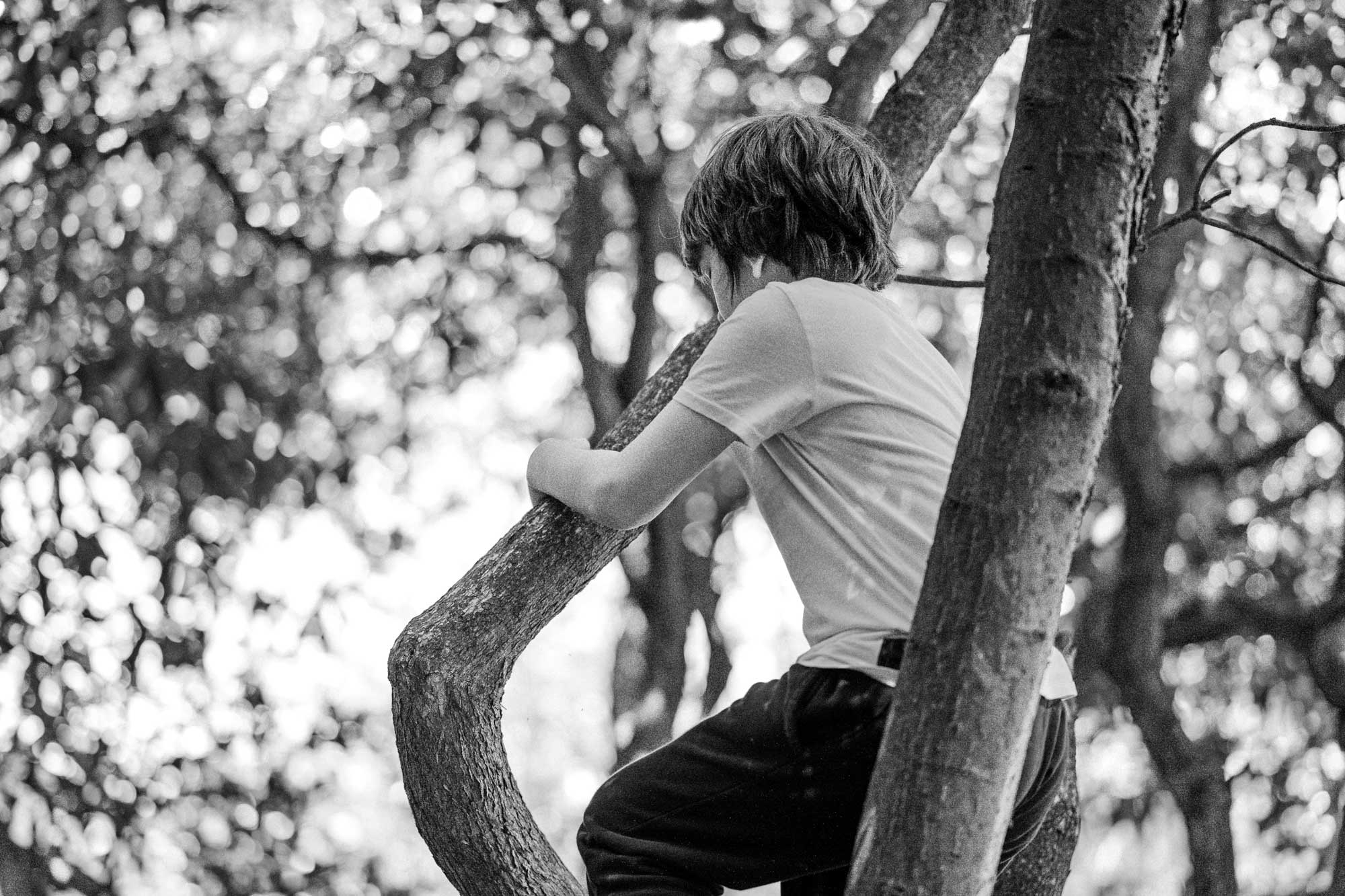
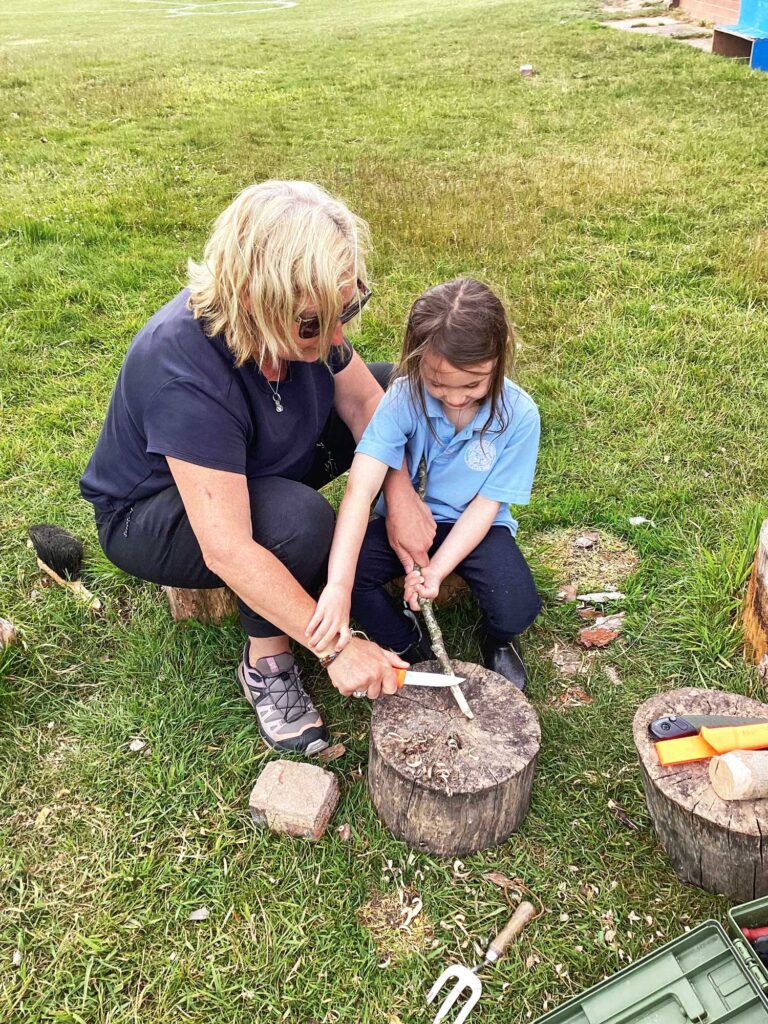
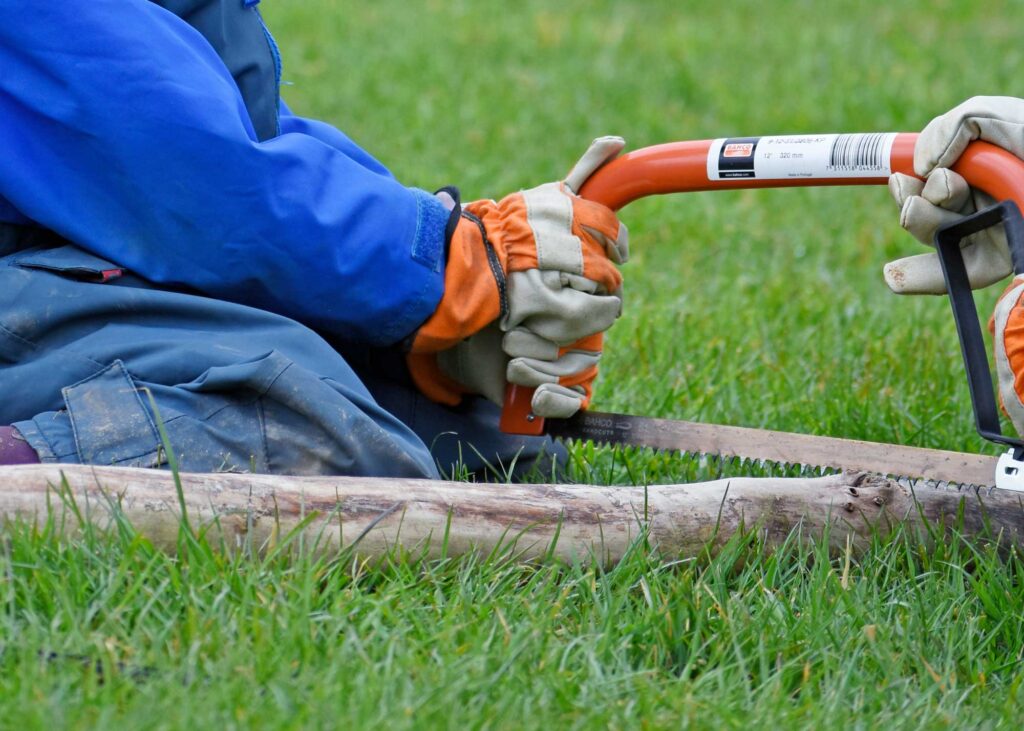
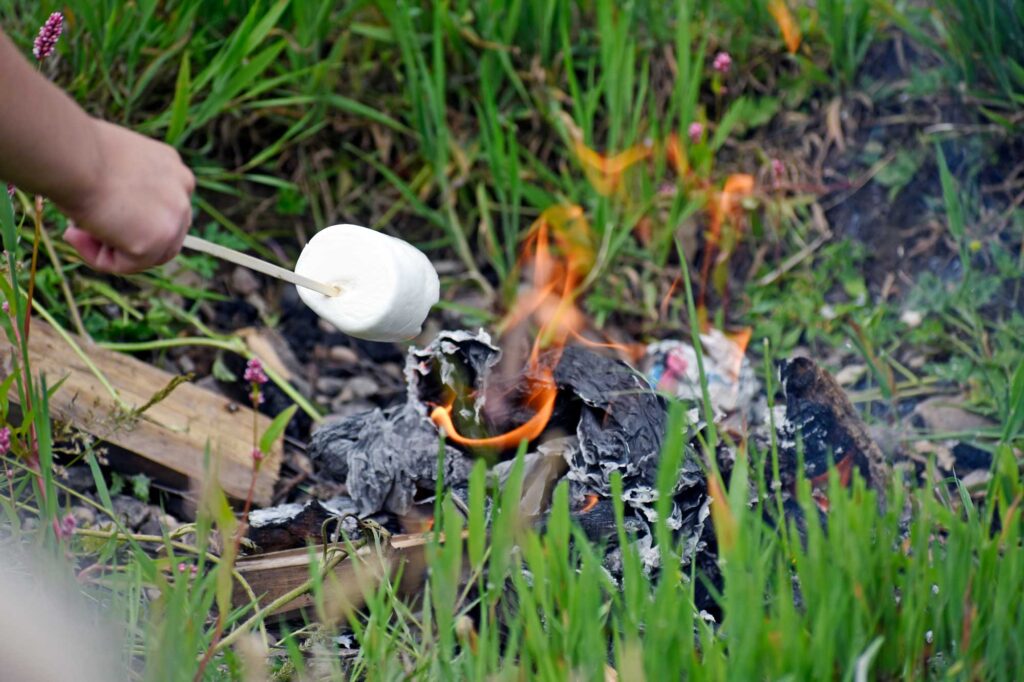
Risky play involves activities that require children to navigate physical or mental challenges. At Forest School, these might include climbing trees and balancing on logs; using real tools for wood carving or construction; exploring uneven terrain; lighting and managing small fires under supervision; and engaging in high-speed movement, such as running or rolling down hills. Rather than shielding children from risk, we provide a safe framework for managing it, enabling them to approach challenges with informed decision-making.
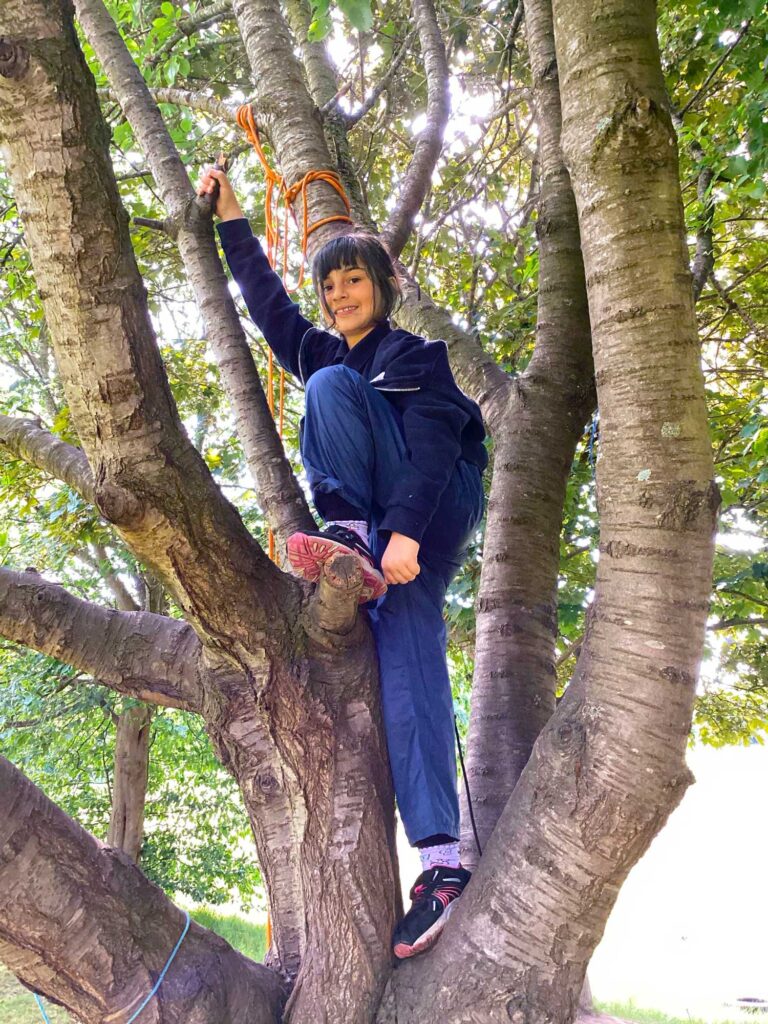
One of the greatest benefits of risky play is the development of resilience. When children encounter obstacles – whether they stumble while climbing a tree or struggle to start a fire – they learn persistence and problem-solving skills. These moments of trial and error help them understand that setbacks are not failures but rather opportunities for growth.
Successfully navigating risks builds confidence. As children engage in activities that challenge them physically and mentally, they develop a sense of achievement and self-efficacy. They begin to trust their instincts, take initiative and approach new challenges with a positive mindset.
Risky play also contributes significantly to physical development by strengthening gross motor skills, coordination and agility. Navigating natural landscapes, balancing on uneven ground and climbing trees require precision and control, fostering body awareness and stability.
In addition to the physical benefits, engaging in risk-based activities nurtures cognitive skills. Children are constantly assessing situations, weighing up options and consequences and making decisions about how to approach challenges. This type of active problem-solving enhances their ability to think critically, evaluate risks and develop independence.
Risky play has a fundamental role in emotional regulation as well. When children experience moments of fear or uncertainty – such as standing at the edge of a jump or attempting to climb higher – they learn to manage their emotions, gauge their comfort levels and push through fear in a healthy way.
Socially, Forest School encourages teamwork and communication. Many risk-based activities require cooperation, whether helping a peer navigate a climbing challenge or working together to build a shelter. These interactions cultivate patience, leadership skills and mutual respect among children, reinforcing the importance of shared experiences.
Rather than avoiding risk altogether, we teach children how to assess and manage it. Through trial and experience, they learn to recognise their limits, evaluate their environment and take calculated risks. These skills are crucial for real-life decision-making, whether crossing a busy street, navigating difficult social situations or handling future professional challenges.
While risky play involves elements of uncertainty, we ensure that risks are managed appropriately. The goal is not to place children in harm’s way but to provide structured freedom where they can explore their capabilities under supervision. Our Forest School Leaders guide children in safe risk-taking while allowing them autonomy in their decisions.
Risky play at Forest School is not about recklessness – it’s about growth, exploration and resilience. When children engage in controlled risk-taking, they develop confidence, problem-solving abilities and essential life skills that extend far beyond childhood. Encouraging this form of play at Kingsley fosters independence, curiosity and adaptability, equipping children with the tools to navigate life’s challenges with courage and intelligence.
By Amanda Norris, Forest School Leader